What Is Crypto Merchant Adoption? A 2026 US Guide

TL;DR:
- Crypto merchant adoption is rapidly expanding, with 39% of U.S. merchants accepting crypto payments at checkout.
- Platforms like Cryptoesim.io enable instant crypto payments for eSIM data plans, offering simplicity and global reach.
What crypto merchant adoption means for your eSIM purchase
Crypto merchant adoption is the process of businesses enabling cryptocurrency as an accepted payment method at checkout. It sounds simple, but the reality has layers. A merchant “accepting crypto” might mean anything from a manual wallet address on an invoice to a fully automated gateway that converts Bitcoin to dollars before the merchant even sees the transaction.
The distinction matters. Most merchants who list crypto as an option still process the bulk of their revenue through traditional payment networks. Adoption figures reflect willingness, not necessarily volume.
That said, the numbers are moving fast. 39% of U.S. merchants now accept cryptocurrency at checkout, according to a 2026 National Cryptocurrency Association and PayPal survey. Adoption rates are higher among large enterprises compared to smaller businesses.
- Bitcoin remains the most recognized payment asset globally
- USDC, a dollar-pegged stablecoin, overtook Bitcoin as the top payment asset in H1 2026, reaching 22.1% share vs. Bitcoin’s 21.0%
- Platforms like Cryptoesim.io accept Bitcoin and 300+ tokens for instant eSIM data plan purchases across 190+ countries
Why merchants adopt crypto and what it means for eSIM buyers
Customer demand is the clearest driver. 88% of U.S. merchants report receiving customer inquiries about crypto payments, and 69% say customers ask to pay with crypto at least monthly. Millennials and Gen Z are leading that charge.
Stat: Among merchants already accepting crypto, it still represents a relatively small portion of total sales, mostly reflecting willingness to accept rather than large transaction volumes, though many have seen crypto sales rise over the past year.
Beyond demand, merchants cite concrete operational benefits:
- Faster settlement (cited by 45% of merchants)
- New customer acquisition (45%)
- Enhanced security (41%)
- Greater customer privacy (40%)
For eSIM buyers specifically, these motivations translate directly. When a platform like Cryptoesim.io accepts crypto natively, you skip the card network entirely, get instant activation, and pay without sharing financial details. The benefits of crypto for merchants and buyers align unusually well in digital goods categories.
The main barrier? Setup complexity. 90% of merchants say they would accept crypto if the process matched the simplicity of credit cards. Regulatory uncertainty in the U.S. adds friction too, particularly around tax reporting for crypto transactions.
What the current US crypto payment market looks like
The hospitality, travel, digital goods, and gaming sectors lead adoption at 76–81%. That puts eSIM data plans squarely in the fast lane. CoinGate processed 782,403 crypto payments in H1 2026, with The United States represents the largest market by order count.
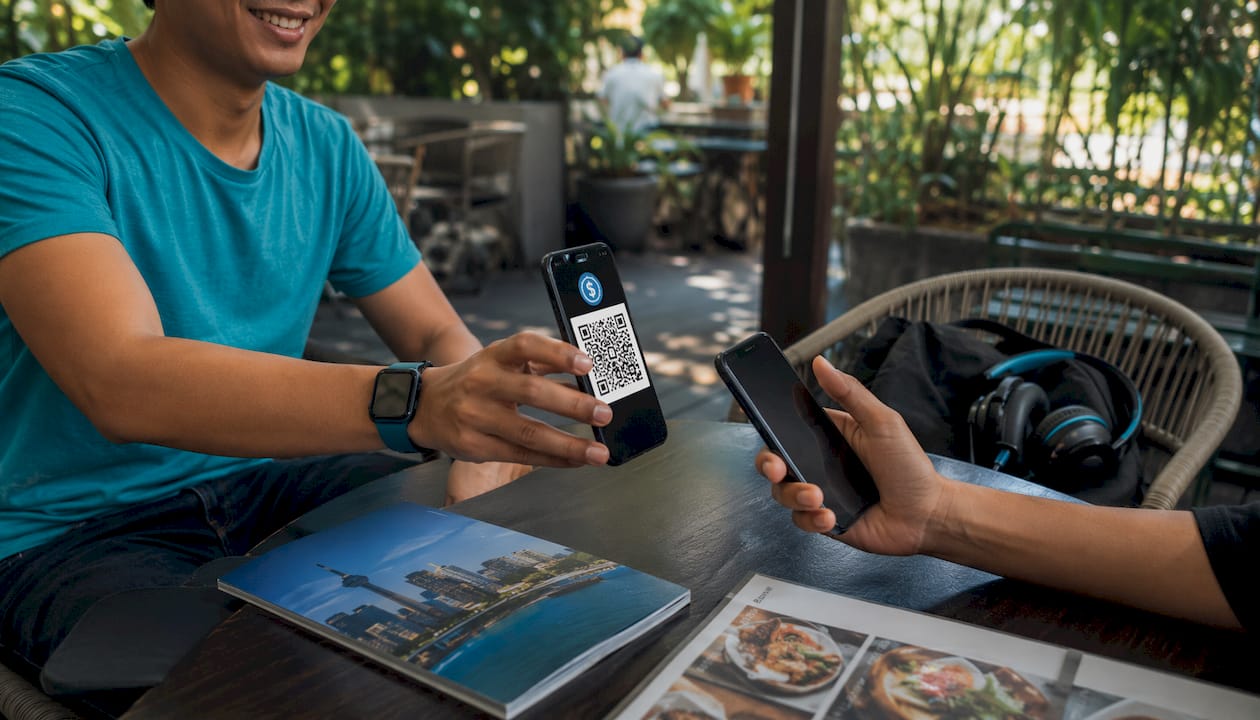
Stablecoins are reshaping merchant behavior. USDC’s share has steadily increased over three consecutive reporting periods. Merchants settle 75.4% of orders in fiat, a share that has grown for three straight halves. The trend is clear: businesses want crypto’s reach without crypto’s volatility.
Square’s 2026 move to auto-enable Bitcoin payments for millions of U.S. small businesses, with instant dollar conversion and zero processing fees through 2026, shows how fast the infrastructure is maturing.
How different crypto payment methods compare for merchants
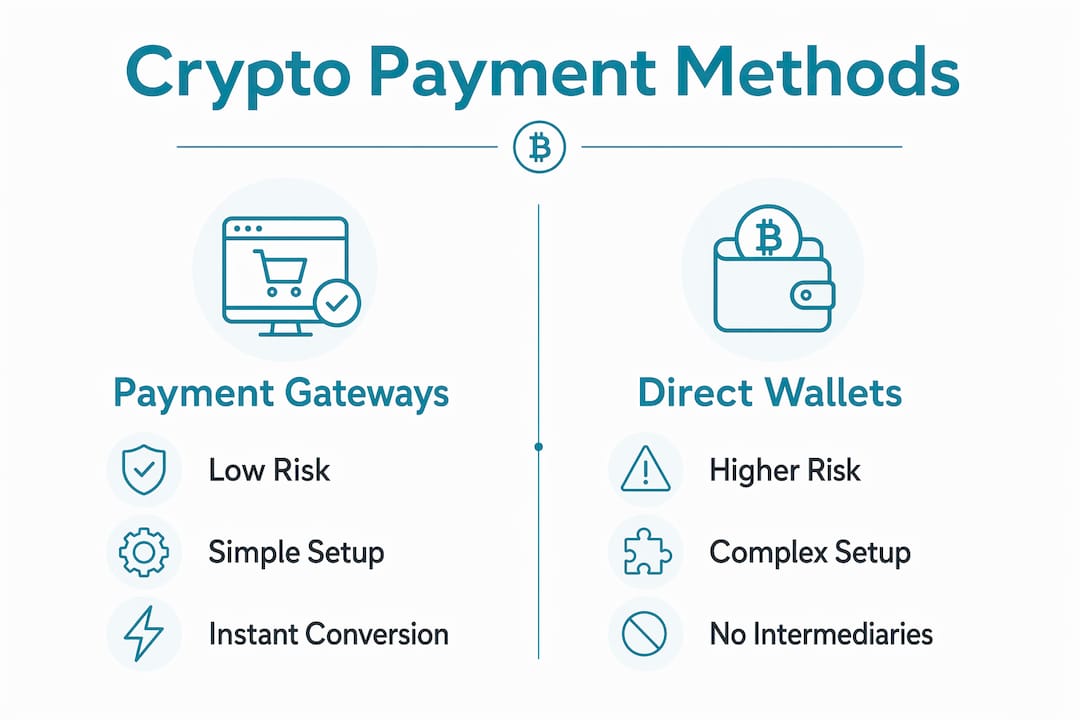
Cryptocurrency payment gateways handle real-time exchange, confirmation tracking, and instant fiat conversion, removing volatility risk entirely. Merchants can also accept crypto directly via wallets, though that requires managing exchange rates and custody manually.
| Method | Volatility risk | Setup complexity | Best for |
|---|---|---|---|
| Payment gateway (e.g., CoinGate) | Low (auto-converts) | Low | Most merchants |
| Direct wallet acceptance | High | High | Crypto-native businesses |
| Auto-enabled platform (e.g., Square) | None (fiat default) | Zero | Small businesses |
93.2% of CoinGate payouts in H1 2026 ran through automated API workflows, up from 83.3% a year earlier. Automation is now the baseline, not the exception.
Pro Tip: If you want to understand how crypto trading signals relate to payment timing and volatility, that context helps when choosing which asset to pay with at checkout.
What drives future growth in crypto merchant adoption
84% of merchants expect crypto payments to become common within five years. The growth drivers are structural: younger demographics spending more, stablecoin infrastructure maturing, and payment processors absorbing the technical complexity that once scared merchants off.
Regulatory clarity in the U.S. will be the deciding variable. Clearer IRS guidance on crypto payment tax treatment would remove one of the last meaningful friction points for mid-size merchants.
How Cryptoesim.io puts crypto merchant adoption into practice
Cryptoesim.io is a working example of crypto payment adoption done right for digital goods. No account required, no KYC, instant eSIM activation across 190+ countries, and support for Bitcoin, Ethereum, USDC, and hundreds of other tokens. The platform settles transactions automatically, so you get your data plan the moment payment confirms.
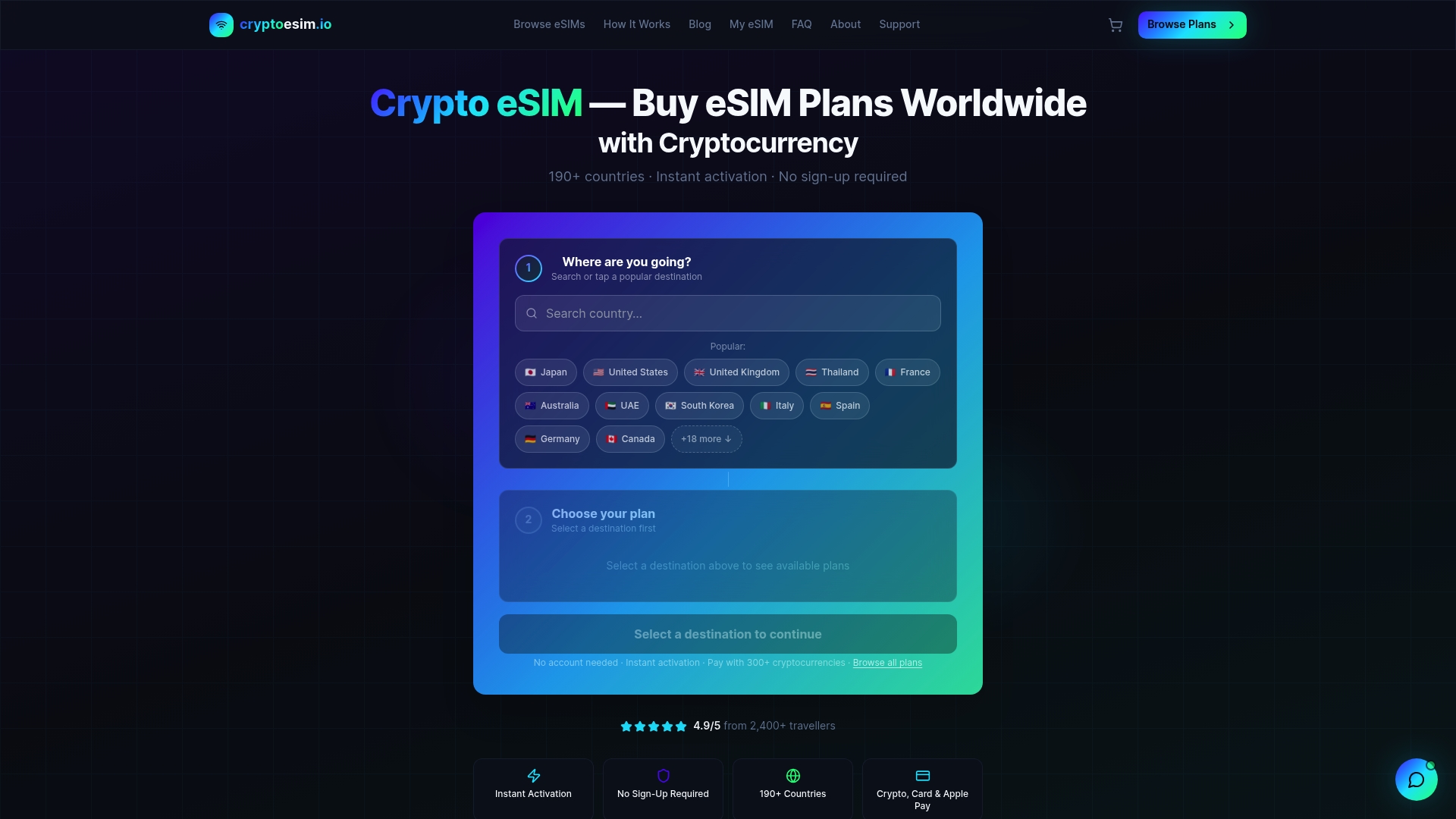
Ready to pay for your next eSIM plan with crypto? Browse eSIM plans and activate instantly with Bitcoin, USDC, or 300+ other tokens. No card needed.
Key Takeaways
Crypto merchant adoption in the U.S. has moved from a niche experiment to a mainstream payment option, with 39% of merchants accepting crypto and USDC now the leading payment asset at 22.1%.
| Point | Details |
|---|---|
| Adoption rate | 39% of U.S. merchants accept crypto; large enterprises lead adoption. |
| USDC leads payments | USDC reached 22.1% share in H1 2026, narrowly ahead of Bitcoin at 21.0%. |
| Customer demand is real | 88% of merchants receive crypto payment inquiries; 69% hear from customers monthly. |
| Fiat settlement dominates | 75.4% of crypto orders settle to fiat, reducing merchant volatility exposure. |
| Simplicity is the barrier | 90% of merchants would accept crypto if setup matched the ease of credit cards. |